
Algorithm
A REPEATING LOOP
1Design model
2Train
3Hand off
4Wait for measurements
5Redesign
The Industry
AI models evolve rapidly, and specialized processors keep multiplying. But the process connecting algorithms to silicon remains fragmented, sequential, and heavily dependent on physical hardware.
Software / AI
Fast
New architectures, training runs, releases.
Edge development
Slow
Port, profile, debug, optimize - per chip.
01Critical answers arrive too late
By then, the big decisions are already made. One mismatch - unsupported op, memory ceiling, latency miss - can invalidate weeks of algorithm and embedded work.
Design
Train
Port
Flash
Measure
First real KPI signal
Redesign
Weeks lost
Blind spot: there is no useful KPI signal during the first four stages - exactly when decisions are cheapest to change.
02Hardware and software still move in sequence
Algorithm engineers design without a clear picture of how models will behave on the final chip. Embedded engineers wait for models, boards, and SDKs before they can do meaningful work.
A REPEATING LOOP
BLOCKED, THEN SEQUENTIAL
Instead of working in parallel, teams cycle through implementation, deployment, measurement, and rework.
03The industry needs a new development layer
Edge AI teams need to know how their software will behave on different hardware architectures - before picking a device, before flashing a board.
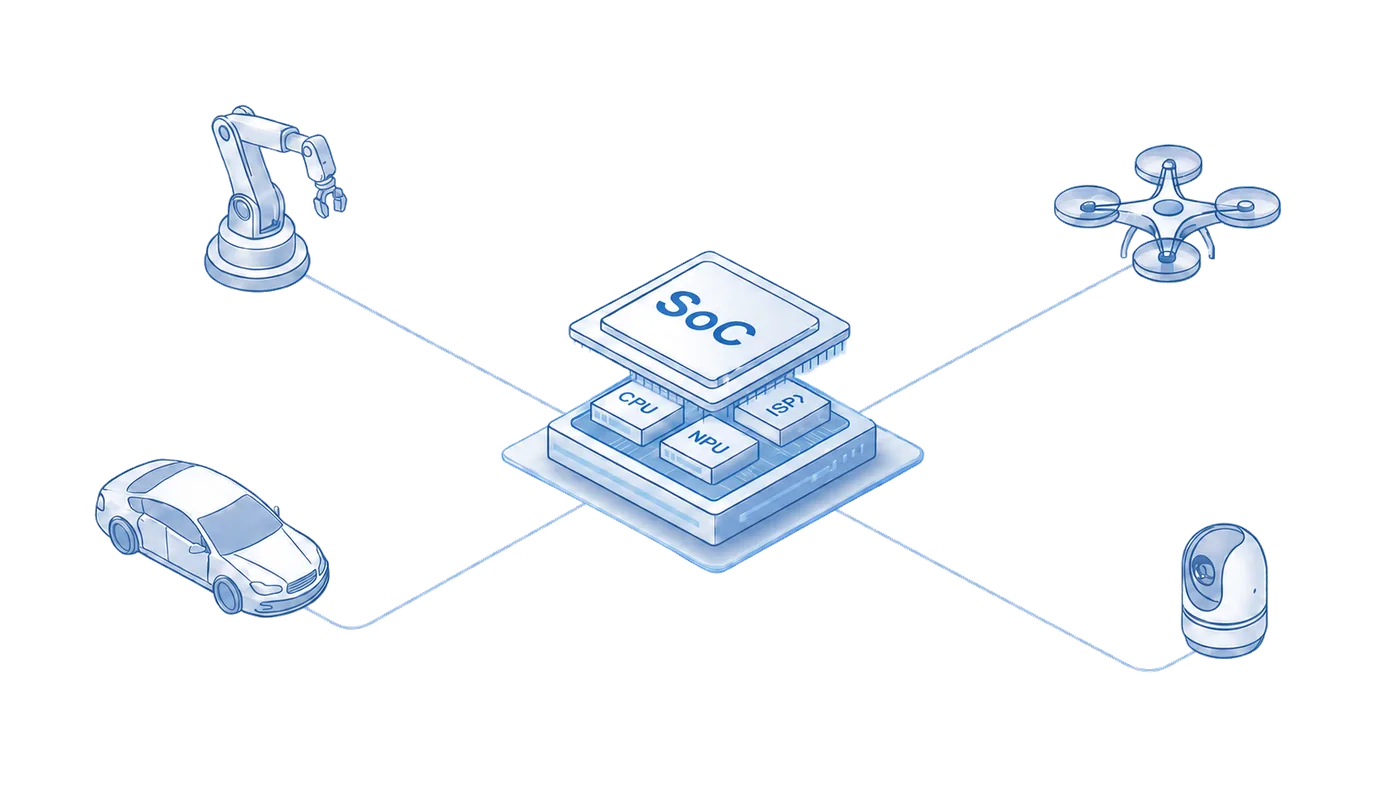
The Ghostlayer
A software layer that lets teams develop, test, profile, and optimize AI workloads against target chip architectures - early in the process, on the toolchain they already use.
Request Early AccessBefore
Decisions made blind. Confirmed on silicon. Redone in rework cycles.
After
Latency, memory, and power visible from the first line of Python - on the chip you're targeting.
Be among the first teams to develop, test, and optimize against your target chip - before the board even arrives.